
The Kelston Boys’ High School Conversion Files
A Public Record of the Proposed BEWT Charter Conversion of Kelston Boys’ High School
The KBHS Conversion Files is a series from The Quiet Record documenting the proposal connected to the Bangerz Education and Wellbeing Trust, known as BEWT, to convert Kelston Boys’ High School into a charter school model.
This series was written while the proposal was still a live public issue.
It examines what was being proposed, how Kelston Boys’ High School was being described, what the conversion could have meant for governance and community voice, and why the process deserved careful public scrutiny.
The application has now been withdrawn.
But the questions raised by this proposal remain important — not only for Kelston, but for any public school community asked to consider major structural change.

Why This Series Exists
Kelston Boys’ High School is not just a school on a map.
It is a long-standing West Auckland institution shaped by generations of students, whānau, staff, old boys, local families, cultural memory, sporting history, academic pathways, struggle, pride, and belonging.
When a proposal emerges that could reshape a school’s governance, identity, curriculum direction, and public accountability, the community deserves more than headlines, slogans, or reassurance.
It deserves context.
This series was written to slow the issue down and ask:
What was actually being proposed?
Who would govern the school after conversion?
How was Kelston being described?
What evidence supported the proposal?
How were Māori and Pacific families represented?
What would happen to academic and vocational pathways?
Was consultation clear, transparent, and representative?
What would be gained, and what could be lost?
The aim was not to oppose improvement.
The aim was to make sure that any discussion about Kelston’s future began with evidence, transparency, and respect for the community the school serves.
Current Status
The BEWT charter conversion application for Kelston Boys’ High School has been withdrawn.
That means the proposed conversion discussed throughout this series will not proceed through that application.
However, the issue remains part of a wider public conversation about charter schools, public education, consultation, community governance, and how schools serving Māori, Pacific, migrant, and working-class communities are described when major reform is proposed.
For that reason, this series remains available as a public record.
Start Here
New to the issue? Start with the background article first, then read through the series in order.
The posts are arranged below from context to final update.





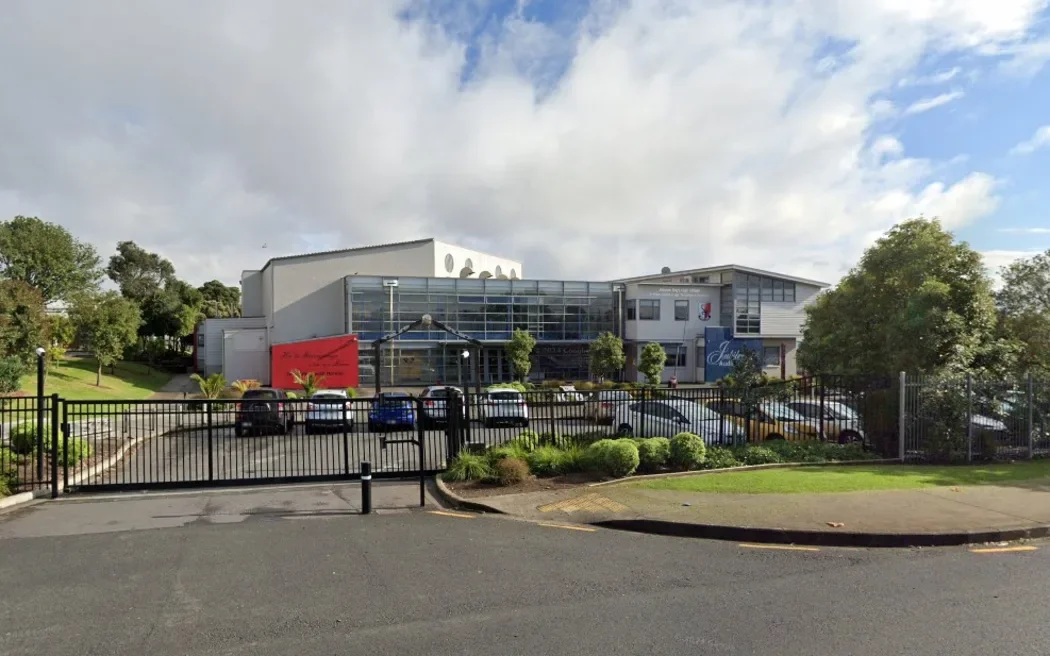

How To Read This Series
This series can be read in order, but different readers may come to it for different reasons.
If you want a simple overview, read:
Kelston Boys’ High School: A Brief Context
What BEWT Is Proposing
Final Update
If you want to understand the governance concerns, read:
What BEWT Is Proposing
A Critical Examination of the BEWT Consultation Report
Final Update
If you want to understand the identity and curriculum concerns, read:
Kelston Boys’ Is Not Failing
A Reading of the BEWT Proposal Documents
Why This Model Raises Serious Concerns
If you want to understand why the series was written, read everything in order.
The Core Issues
-
Who holds formal authority over a public school matters. Governance is not just administration. It shapes accountability, decision-making, staffing, curriculum, community representation, and long-term direction.
-
Community consultation should be clear, accessible, representative, and verifiable. A school community should be able to see who was heard, how views were gathered, and whether concerns or opposition were recorded.
-
Kelston Boys’ High School cannot be understood only through discipline, behaviour, sport, or public reputation. It is a school with cultural, relational, academic, historical, and community meaning.
-
A secondary school must protect broad futures. Sport and mentoring can be valuable, but students also need academic, vocational, creative, cultural, and university pathways to remain open.
-
When major proposals arise, communities need records. Not everything important is captured in official summaries or public statements. Sometimes the details need to be documented while they are still visible.

Want to Share Something?
If you have information, documents, context, corrections, or lived experience connected to this issue, you are welcome to get in touch.
You can contact The Quiet Record confidentially or anonymously.
This site does not provide legal advice or professional advice. It is a community-focused writing space for public memory, documentation, and accountability.